Huniepop uncensor patch for steam mac. Advertisement Excel on the Mac has not always been the same powerhouse it was on Windows. Macros really wouldn’t work unless they were created exclusively for the Mac. Starting in 2013, Microsoft brought back macros.
Searching on the web. Sadly, I never found a solution to this either. Then use that file to do whatever you need to do with the files. According to there is actually no way to do it except using comercial software. So the only other possible answer your question is 'use the Terminal' • Open a terminal • Enter this command: cd • Find the files with a name starting with a 'dot'. -name '.*' • You can redirect the resulting list to a textfile by adding > textfilename to the last command.
The add-in add a button in the Tools menu called My Macro Menu that call the popup menu and you can also use the shortcut CMD Alt l to call the popup menu. Note: The first item Help is not created by my code but is a bug in Mac Excel, I can't find a way to hide it sorry.
There are two types of macros: those you can create by quickly recording your actions, and those that use VBA to design more advanced automations. With Office 2016, Excel is using the. This change will make it easier for macros to work across platforms. So let’s take a look at how this currently works on macOS. Enabling Macros in Excel on Mac Working with macros in Excel on your Mac may not be enabled by default. This setting is because Did you know that your computer can be infected by malicious Microsoft Office documents, or that you could be duped into enabling the settings they need to infect your computer?
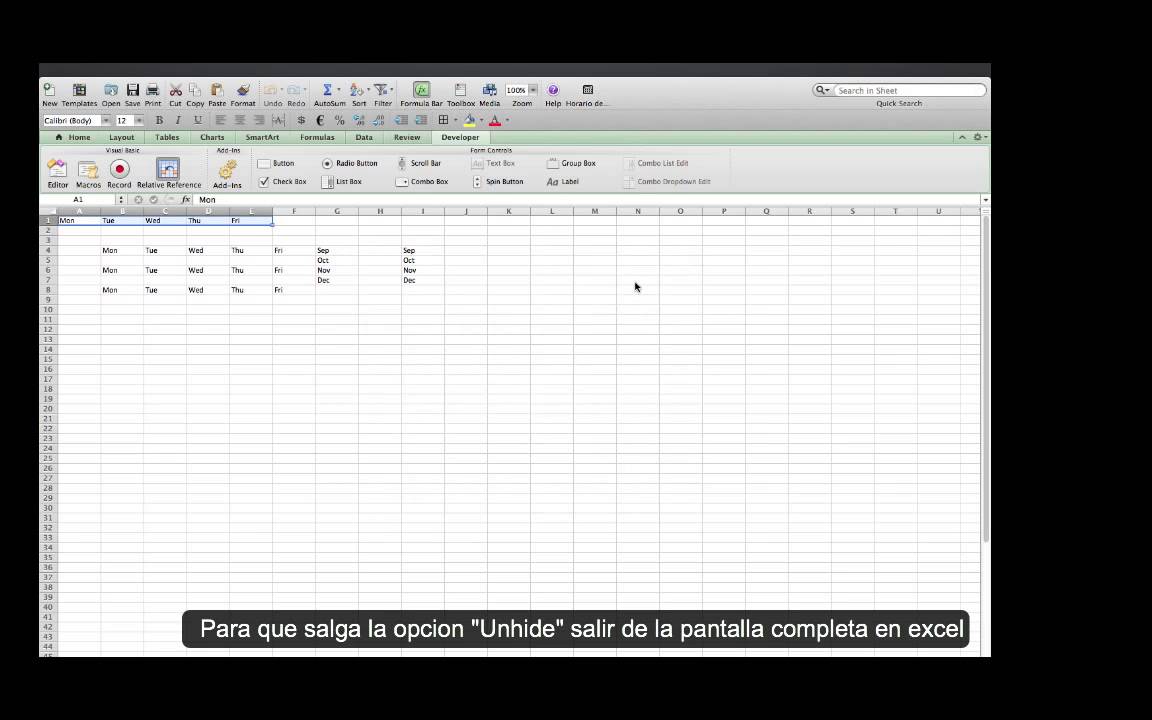
The easiest way to tell is to see if you have the Developer tab available on the Ribbon in Excel. If you don’t see it, it is simple to enable. Click on Excel in the menu bar, and then select Preferences in the dropdown. In the menu, click on Ribbon & Toolbar.
How To Create A Macro In Excel 2011 For Mac
In the right-hand list, Developer should be at the bottom, click the checkbox. Finally, click Save and you should see the Developer tab show up at the end of the Ribbon. After you create each workbook with macros, save it in a new format.xlsm to use the macros after reopening the file. If you forget, Excel will remind you each time you try to save.
You’ll also need to enable macros every time you open the file. Manually Recording a Macro in Excel on Mac Simple code and macros are the keys to Microsoft Excel superpowers.
Even non-programmers can easily add impressive functionality to their spreadsheets with Virtual Basics for Applications (VBA). Just avoid these programming beginner mistakes!, that might not be for everyone. If you’re not ready to start working with VBA, Excel lets you record the steps for your macro in an existing sheet. Click on the Developer tab to see your options.
You’re looking for the third option in the Ribbon, Record Macro. Click this, and a dialog pops up allowing you to name your macro and set a keyboard shortcut. You can scope your macro to the Current Workbook, a New Workbook, or in your Personal Macro Workbook. The Personal Macro Workbook is in your user profile and lets you use your macros between your files. Once you record your actions, they are available on this same tab. Clicking macros will bring up the saved macros in your workbook.
• Dictionary: Find your password from the built-in dictionary or yourself-created ones. Gmail password recovery tool mac. • Mask: Decrypt password by suggested details. Recommended if you can recall part of the password, specify it with the mask symbol can shorten the password recovery time.
Common Macros In Excel
Click on your macro name and click Run to run your recorded actions. Example 1: Daily Sales Total and Hourly Average For an example macro, you are going to run through a daily sales sheet, with the sales broken down by hourly totals. Your macro is going to add a daily sales total, and then add an average in the last column of each hourly period. If you work in retail or other sales position, this is a helpful sheet to track revenue. We need to set up the first sheet. Using this first blank as a template to copy into a new tab each day could save you some time. In the first column/row put Hour/Date.
Macros In Excel Examples
Across the top add Monday through Friday. Then in the first column put a break down of hourly totals from 8-5. I used 24-hour time, but you can use AM/PM notation if you prefer. Your sheet should match the screenshot above.