Excel for Office 365 Word for Office 365 PowerPoint for Office 365 Excel 2019 Word 2019 PowerPoint 2019 Visio Standard 2019 Office 2016 Excel 2016 Word 2016 PowerPoint 2016 Visio Standard 2016 Excel 2013 Word 2013 PowerPoint 2013 Excel 2010 Word 2010 PowerPoint 2010 Excel 2007 Word 2007 PowerPoint 2007 Office 2007 Office 2010 Visio Standard 2007 Visio Standard 2010 Word Starter 2010 When you share an electronic copy of certain Office documents with clients or colleagues, it is a good idea to review the document for hidden data or personal information. You can remove this hidden information before you share the document with other people. The Document Inspector feature in Word, Excel, PowerPoint, or Visio can help you find and remove hidden data and personal information in documents that you plan to share. Hidden information can include: • hidden data or personal information that you might not want to share in Word documents • data Excel adds to a workbook when you collaborate with other people • hidden data or personal information in a PowerPoint that might be stored in the presentation or its metadata • document information and file properties in Visio documents. Tip: If you're just looking to not print comments, go to File > Print, click Print All Pages and uncheck Print Markup. Types of hidden data and personal information Word documents can contain the following types of hidden data and personal information: • Comments, revision marks from tracked changes, versions, and ink annotations If you've collaborated with other people to create your document, your document might contain items such as revision marks from tracked changes, comments, ink annotations, or versions.
Open Word Document On Mac
This information can enable other people to see the names of people who worked on your document, comments from reviewers, and changes that were made to your document, things that you might not want to share outside of your team. • Document properties and personal information Document properties, or metadata, include details about your document such as author, subject, and title. Document properties also include information that is automatically maintained by Office programs, such as the name of the person who most recently saved a document and the date when a document was created. How to use word mail merge for mac. If you used specific features, your document might also contain additional kinds of personally identifiable information (PII), such as e-mail headers, send-for-review information, routing slips, and template names. • Headers, footers, and watermarks Word documents can contain information in headers and footers.
Microsoft Word tags are useful metadata names associated with your documents to make them easier to find and organize. Here's how to use them. Just open the file's properties and choose to delete all the tags. Learn how to add fonts to MS Word for Windows, Mac, and mobile devices. Scanning mac for malware. Metadata is there for a reason and it depends on how feature rich the word processor you use is to how much information is stored 'behind the scenes': a MS Word or WordPerfect file will have a large amount of such hidden information where as WordPad, RTF files or the like will have a smaller amount.
Permanently Delete Word Documents
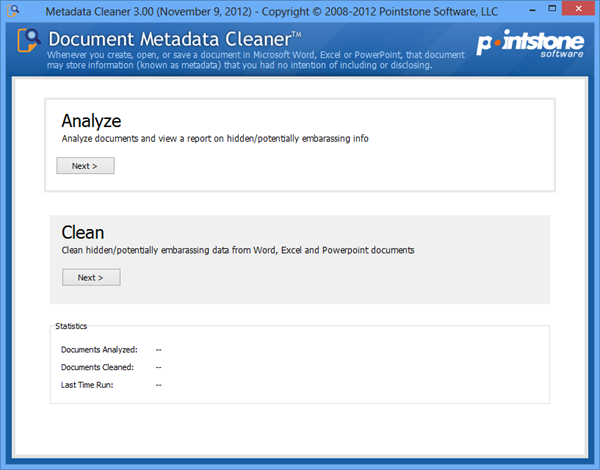
How To Delete Documents In Word 2010
Additionally, you might have added a watermark to your Word document. • Hidden text Word documents can contain text that is formatted as hidden text. If you do not know whether your document contains hidden text, you can use the Document Inspector to search for it. • Document server properties If your document was saved to a location on a document management server, such as a Document Workspace site or a library based on Windows SharePoint Services, the document might contain additional document properties or information related to this server location.